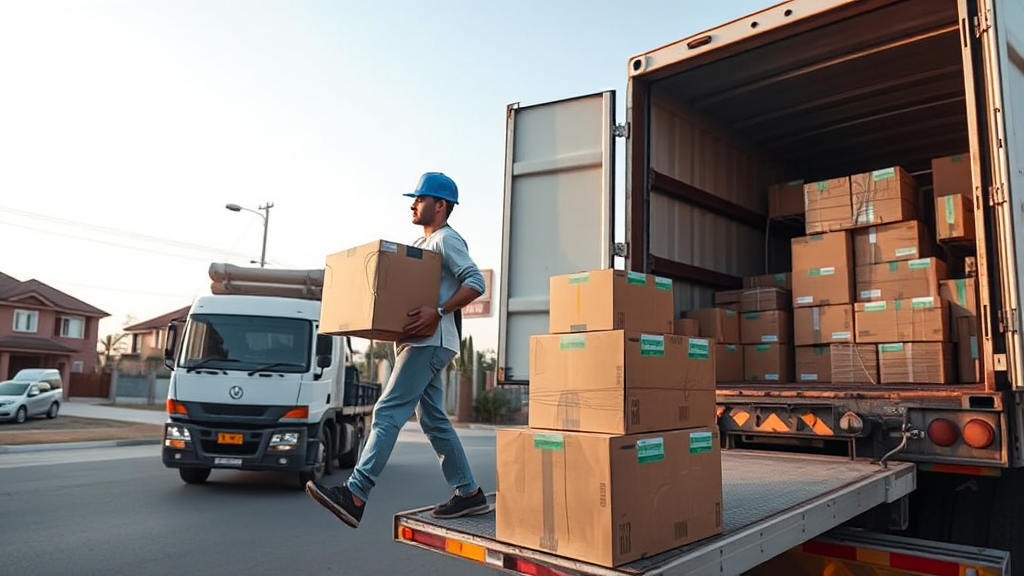
Air Cargo Services in Rawalpindi: A Complete Guide for Households and Businesses
Air Cargo Services in Rawalpindi: A Complete Guide for Households and Businesses
Rawalpindi sits at the heart of the twin cities, and its proximity to Islamabad International Airport makes it one of the most convenient places in Pakistan to send goods by air. Whether you are a family shipping personal belongings overseas, a small business sending samples to a buyer in the Gulf, or an exporter moving time-sensitive cargo to Europe, understanding how air cargo services in rawalpindi work can save you money, time and a great deal of stress. This guide explains the process from pickup to delivery, the documents you need, the costs involved, and the practical questions people ask most often.
Why Rawalpindi Is a Strategic Hub for Air Freight
The city’s biggest advantage is geography. Islamabad International Airport handles a steady flow of international passenger and freighter traffic, and the drive from most parts of Rawalpindi to the cargo terminal is short compared to cities in the south. That means your shipment can be collected from your home or warehouse in the morning and handed over to the airline the same day in many cases.
Rawalpindi is also a commercial city in its own right. Saddar, Raja Bazaar, Bank Road and the surrounding areas host thousands of traders, wholesalers and small manufacturers. Many of them rely on air freight for high-value or time-critical consignments, especially when sea freight would take weeks longer. Add the large expatriate population sending household goods back to family abroad, and you have a constant demand for reliable cargo handling.
Because so many logistics companies operate in the twin cities, competition keeps pricing relatively reasonable. The key is choosing a provider that actually handles the whole journey rather than passing your shipment between multiple agents.
What Air Cargo Services Typically Include
A professional cargo service is more than just booking space on a plane. A complete door-to-door solution usually covers several stages:
- Free assessment and quotation: The company reviews the type, weight and volume of your goods and gives you a written estimate.
- Packing: Fragile items, electronics, furniture and documents are packed in appropriate materials. Export-grade packing is essential for air freight because goods are handled multiple times.
- Pickup from your address: A team collects the shipment from your home, office or warehouse in Rawalpindi or nearby Islamabad.
- Documentation: The agent prepares the air waybill, commercial invoice, packing list and any certificates required by the destination country.
- Customs clearance at origin: Export documentation is filed with Pakistani customs so the shipment can be released to the airline.
- Air transit: Goods travel on scheduled or chartered flights, often with tracking updates.
- Destination clearance and delivery: A partner agent clears the shipment through customs abroad and delivers it to the final address.
When all of these steps are handled by one company, you avoid the confusion of coordinating with several different parties. That is the main reason people look for international cargo services in rawalpindi that offer a genuine door-to-door commitment rather than port-to-port only.
Air Freight vs Sea Freight: Which Makes Sense?
Air cargo is faster but more expensive per kilogram. Sea freight is cheaper but slow. The right choice depends on what you are shipping and how urgently it is needed.
Air freight makes sense when:
- The goods are high in value relative to their weight, such as electronics, jewellery, spare parts or pharmaceuticals.
- The consignment is small enough that sea freight minimum charges would not be economical.
- The buyer needs the goods within days rather than weeks.
- The items are perishable or have a short shelf life.
- You are shipping urgent documents or samples for a tender or exhibition.
Sea freight makes more sense for bulky household goods, furniture, construction materials or large commercial orders where the timeline is flexible. Many relocation companies offer both options and will advise you honestly on which one suits your budget and deadline. A good rule of thumb: if the cargo value is high and the volume is low, fly it. If the volume is high and the timeline is relaxed, ship it by sea.
Documents You Will Need
Paperwork is where most delays happen. Before booking, prepare the following:
- Copy of your passport or national ID (CNIC) for individuals.
- Commercial invoice showing the value of the goods.
- Packing list describing each item and its weight.
- Air waybill, usually prepared by the freight agent.
- Certificate of origin if the destination country requires it.
- Any special permits for restricted goods, such as medicines, chemicals or telecommunications equipment.
- Visa or residency proof for personal effects being shipped to your new home abroad.
Destination countries have different rules. The Gulf states, for example, often require Arabic labelling on certain products, while the European Union has strict rules on food, plants and wooden packaging. A reliable agent will tell you upfront what is needed so your shipment is not held at the airport.
How Costs Are Calculated
Air freight pricing is not based on weight alone. Airlines charge by chargeable weight, which is the greater of the actual weight and the volumetric weight. Volumetric weight is calculated by multiplying length, width and height in centimetres and dividing by a factor, usually 6000 for air freight.
For example, a box that is 60 cm x 50 cm x 40 cm has a volume of 120,000 cubic centimetres. Divided by 6000, that gives a volumetric weight of 20 kg. If the box actually weighs 12 kg, the airline will charge for 20 kg. This is why packing light but bulky items efficiently matters so much.
Other cost factors include:
- Fuel and security surcharges, which fluctuate with global oil prices.
- Customs duties and taxes at the destination, which are usually paid by the receiver unless agreed otherwise.
- Destination handling and delivery charges.
- Insurance, which is strongly recommended for valuable goods.
- Special handling for fragile, dangerous or temperature-controlled cargo.
Always ask for a written quotation that lists what is included and what is not. A cheap headline rate can become expensive once hidden charges appear at the destination.
Packing Tips for Air Shipments
Air cargo is handled quickly, which means it is also handled roughly. Proper packing is your best protection.
Use double-walled cardboard boxes for general goods. Wrap fragile items individually in bubble wrap and place them in the centre of the box, away from the edges. Fill empty space with paper or foam so items cannot shift. Seal boxes with strong packing tape on all open edges, and label each box clearly with the recipient’s address, your return address and a description of contents.
For furniture, remove legs where possible and wrap surfaces in moving blankets or stretch film. For electronics, use original packaging if you still have it, and back up your data before shipping. Never pack cash, jewellery, passports or irreplaceable documents in a cargo shipment; carry those with you.
If you are shipping household goods as part of a relocation, a professional packing team will usually do this for you and provide an inventory list, which is also useful for insurance and customs purposes.
Choosing the Right Cargo Company in Rawalpindi
Not all freight agents are equal. Here is what to look for:
- Transparent pricing: Ask for a full breakdown, not a single lump sum.
- Track record: Look for a company with experience in your destination country.
- Door-to-door capability: Confirm that they handle pickup, export clearance, air transit, import clearance and final delivery.
- Insurance options: A serious company will offer cargo insurance and explain the coverage.
- Communication: You should get a named contact and regular updates, not vague answers.
- Physical presence: A local office in Rawalpindi or Islamabad makes it easier to resolve problems quickly.
It also helps to ask whether the company handles both personal effects and commercial cargo. Some specialise in household relocations, while others focus only on business freight. If you are moving home, choose a mover that understands customs rules for personal effects, because the documentation is different from commercial shipments.
Common Mistakes to Avoid
The most common mistake is underestimating the paperwork. Missing a single certificate can delay a shipment by days and add storage charges. The second is under-declaring the value of goods to reduce duty; customs authorities can inspect and revalue the shipment, which leads to fines and confiscation.
Another frequent problem is poor packing. Items that are not secured properly can be damaged in transit, and insurance claims are harder to win if the packing was clearly inadequate. Finally, many people forget to confirm who pays the destination charges. If this is not agreed in writing, the receiver may face an unexpected bill, and the shipment may sit in a warehouse until it is paid.
Frequently Asked Questions
How long does air cargo take from Rawalpindi to the Middle East?
Transit time is usually two to five days for major Gulf destinations, including flight time, customs clearance and final delivery. Delays can occur during peak seasons or if documentation is incomplete.
Can I ship personal household items by air?
Yes. Personal effects are commonly shipped by air, especially when someone is relocating abroad. You will need proof of residency or visa status, an inventory list and a declaration of the items being shipped.
Is air cargo more expensive than sea freight?
Per kilogram, air freight is significantly more expensive. However, for small or urgent shipments, the total cost may be comparable once you factor in sea freight minimum charges, longer transit and storage.
Do I need to bring my goods to the airport myself?
Not if you choose a door-to-door service. The cargo company will collect the shipment from your address in Rawalpindi, handle the export paperwork and arrange delivery at the destination.
What items cannot be sent by air cargo?
Restricted items generally include flammable liquids, compressed gases, explosives, certain chemicals, live animals without permits, and counterfeit goods. Each airline and destination country may have additional restrictions, so always confirm before packing.
Final Thoughts
Rawalpindi’s location and commercial activity make it an ideal starting point for air freight, whether you are sending a few boxes to family abroad or managing regular export shipments for a business. The process becomes much simpler when you work with a company that handles packing, documentation, customs and delivery under one roof.
Take the time to compare quotations, ask detailed questions about what is included, and insist on proper packing and insurance. With the right preparation, your cargo can move smoothly from your doorstep in Rawalpindi to its destination anywhere in the world.
