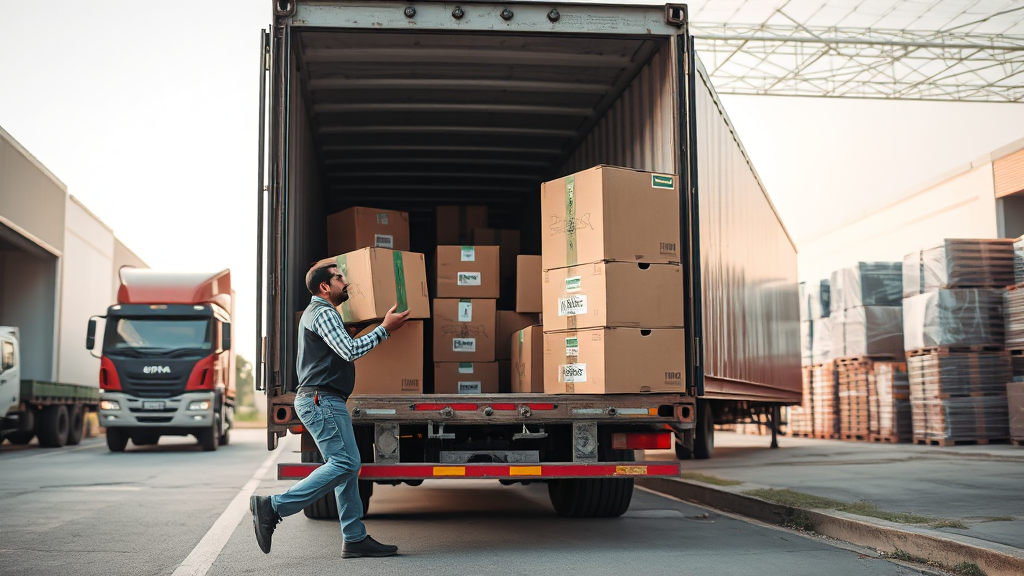
How International Cargo Services in Peshwar Keep Cross-Border Trade Moving
How International Cargo Services in Peshwar Keep Cross-Border Trade Moving
Peshawar sits at one of the most strategically important crossroads in South Asia. Positioned near the historic Khyber Pass and connected to major trade routes leading toward Afghanistan and Central Asia, the city has long functioned as a commercial gateway rather than just a provincial capital. For importers, exporters, small business owners and families sending goods abroad, this location makes reliable international cargo services in Peshwar a practical necessity rather than a luxury. Whether you are shipping commercial consignments, personal belongings or urgent documents, understanding how cargo services operate in this region can save you time, money and considerable stress.
This guide explains what international cargo services in Peshwar actually involve, how air and sea freight differ, what documentation is required, and how to choose a provider that handles your shipment with care from pickup to final delivery.
Why Peshawar Is a Natural Hub for International Cargo
Peshawar’s geography gives it a distinct advantage in the logistics sector. The city lies close to Torkham, one of the busiest border crossings between Pakistan and Afghanistan, and it is well connected by road to Islamabad, Lahore and Karachi. Cargo that moves through Peshawar often continues onward to destinations in the Gulf, Europe, North America and East Asia.
Trade activity in the region is diverse. Local traders export textiles, leather goods, dry fruits, handicrafts and marbles, while importers bring in machinery, electronics, spare parts and household items. Add to this the steady flow of people relocating abroad or sending personal effects to family members overseas, and you get a cargo market that serves both commercial and residential needs.
Because of this mix, a competent cargo provider in Peshawar must be flexible. A single company may handle a 20-foot container of commercial goods one week and a few cartons of personal belongings the next. That versatility is what separates professional logistics operators from informal courier arrangements.
Air Freight vs Sea Freight: Choosing the Right Option
International cargo services in Peshwar generally fall into two broad categories: air freight and sea freight. Each has clear advantages, and the right choice depends on your priorities.
Air Freight
Air freight is the faster option. Shipments are typically moved from Peshawar to an international airport such as Islamabad or Lahore, then flown to the destination country. This method suits time-sensitive goods, high-value items, perishable products and smaller consignments where speed matters more than cost. Documents, electronics, medical supplies and urgent spare parts are common air freight candidates.
The trade-off is cost. Air freight is priced higher per kilogram, so it rarely makes sense for bulky, low-value cargo.
Sea Freight
Sea freight is the economical choice for large or heavy shipments. Goods are trucked from Peshawar to Karachi or Port Qasim, loaded into containers, and shipped to the destination port. This method is ideal for furniture, machinery, bulk commercial goods and full household relocations.
Sea freight takes longer, often several weeks depending on the route, but the savings can be substantial. For businesses shipping regularly, the cost difference between air and sea can determine whether a venture is profitable.
When to Combine Both
Some shipments benefit from a mixed approach. A business might send urgent samples by air while the bulk of the order travels by sea. A family relocating overseas might fly with essentials and ship the rest by container. A good cargo provider will help you decide which combination makes sense.
What a Complete Cargo Service Should Include
Not every company offering cargo services provides the same level of support. A full-service provider should handle the following:
- Pickup and packing: Collecting goods from your home or business in Peshawar and packing them securely for transit.
- Documentation: Preparing bills of lading, commercial invoices, packing lists and any certificates required by customs.
- Customs clearance: Managing export clearance in Pakistan and import clearance at the destination.
- Freight forwarding: Booking space with airlines or shipping lines and tracking the shipment.
- Insurance: Offering cargo insurance to protect against loss or damage.
- Final delivery: Delivering to the consignee’s address, not just the destination port.
When a provider covers all these steps, you deal with one point of contact instead of coordinating multiple agents. That reduces errors and makes accountability clear.
If you are also planning a household move alongside a commercial shipment, it helps to work with a team experienced in both. Providers such as just 15 liks bnny hai is ky understand how personal relocation and cargo logistics overlap, which can simplify a complicated process.
Documentation: The Part Most People Underestimate
International shipping lives and dies by paperwork. Missing or incorrect documents can delay a shipment for days or weeks, and in some cases lead to fines or confiscation. For cargo originating in Peshawar, the essential documents usually include:
- Commercial invoice
- Packing list
- Bill of lading or air waybill
- Certificate of origin where applicable
- Export/import licenses for restricted goods
- Insurance certificate
Requirements vary by destination country and by the type of goods. Some countries demand additional certifications for food items, chemicals or electronics. A professional cargo service will review your shipment and tell you exactly what is needed before goods leave Peshawar.
One common mistake is undervaluing goods to reduce duties. Customs authorities are experienced at spotting this, and the penalties usually outweigh any short-term saving. Accurate declarations keep shipments moving.
Packing Standards That Protect Your Cargo
Packing is not just about preventing scratches. Cargo travels through multiple handling points, and poor packing is one of the leading causes of damage claims.
For commercial goods, the priority is protecting the product while keeping the shipment compact. Cartons should be double-walled where possible, pallets should be stable, and fragile items need internal cushioning. For household goods, furniture should be wrapped, disassembled where practical, and labelled clearly.
Labelling matters more than many shippers realize. Each box should carry a reference number, the consignee’s name and a brief description of contents. This makes customs inspection faster and helps the receiving end verify that nothing is missing.
Cost Factors: What Actually Drives the Price
Shippers often ask for a single rate, but cargo pricing depends on several variables:
- Weight and volume: Air freight uses chargeable weight, while sea freight often uses cubic meters.
- Distance and route: Longer routes and transshipment points add cost.
- Type of goods: Hazardous or temperature-sensitive items require special handling.
- Season: Peak periods around major holidays can raise rates.
- Destination charges: Port fees, customs duties and local delivery add to the total.
A transparent provider will break these down for you rather than quoting a single figure that later grows with hidden charges. Always ask what is included and what is not.
Common Mistakes to Avoid When Shipping From Peshawar
Experience shows that most cargo problems stem from a handful of avoidable errors:
- Choosing on price alone. The cheapest quote often excludes key services or uses unreliable partners.
- Ignoring insurance. Cargo can be lost or damaged, and without insurance the loss falls on you.
- Incomplete documentation. Missing paperwork is the most frequent cause of delays.
- Poor packing. Inadequate protection leads to claims and unhappy recipients.
- No tracking. If you cannot monitor your shipment, you cannot plan around it.
Avoiding these mistakes is largely a matter of working with a provider that communicates clearly and follows established procedures.
How to Choose the Right Cargo Provider in Peshawar
When evaluating providers, look beyond the advertisement. Ask about their experience with your destination country, their network of overseas partners, and how they handle customs issues. Request references from previous clients, and check whether they have a physical office you can visit.
It also helps to discuss timelines honestly. A provider who promises unrealistically fast delivery for sea freight is either misinformed or misleading. Reliable operators give realistic estimates and keep you updated when things change.
Finally, consider whether the provider can handle related needs. If you are moving home and shipping goods at the same time, a company that manages both relocation and cargo can coordinate schedules and reduce duplication.
Frequently Asked Questions
How long does international cargo take from Peshawar?
Air freight typically takes a few days to two weeks depending on the destination and customs processing. Sea freight usually takes several weeks, sometimes longer for distant ports or routes requiring transshipment.
Can I ship personal household items through cargo services?
Yes. Many providers handle personal effects alongside commercial cargo. Packing, documentation and customs requirements differ slightly from commercial shipments, so inform the provider about the nature of your goods in advance.
Is cargo insurance necessary?
It is not always mandatory, but it is strongly recommended. Without insurance, you bear the full cost of any loss or damage during transit, which can be significant for valuable or bulky shipments.
What items cannot be shipped internationally?
Restricted items generally include narcotics, weapons, certain chemicals, counterfeit goods and some perishable products. Rules vary by country, so confirm with your cargo provider before packing.
How can I track my shipment?
Reputable providers offer tracking through a bill of lading or air waybill number. You should be able to check the shipment’s status online or by contacting the provider directly.
Final Thoughts
Peshawar’s role as a trade gateway makes international cargo services essential for businesses and families alike. Whether you are exporting commercial goods, importing machinery or relocating overseas, the right provider turns a complex process into a manageable one. Focus on documentation, packing, insurance and clear communication, and your cargo is far more likely to arrive safely and on time. With careful planning and a dependable logistics partner, shipping from Peshawar to destinations around the world is entirely achievable.
