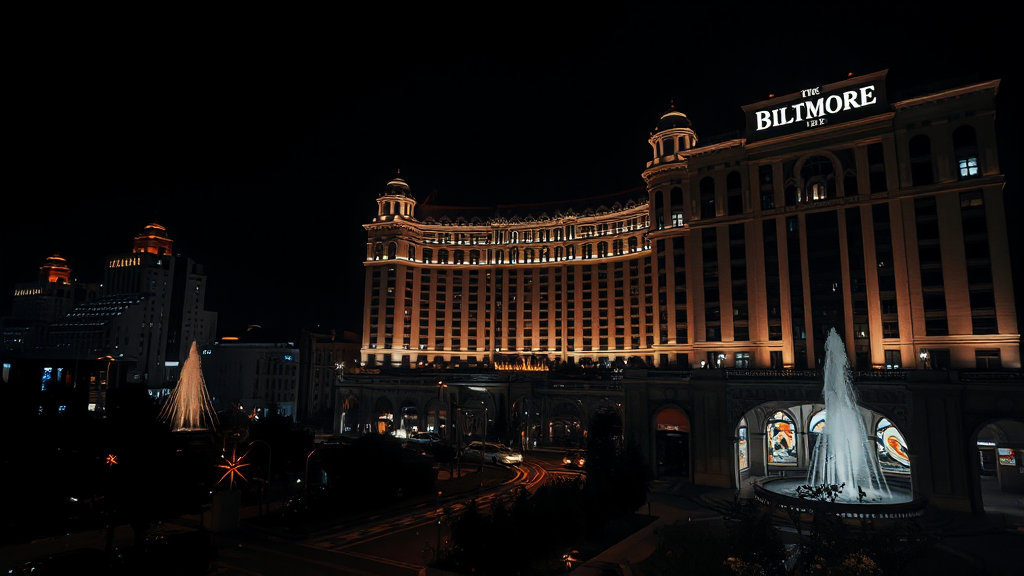
How to Plan the Perfect Weekend Getaway in the Heart of the City
How to Plan the Perfect Weekend Getaway in the Heart of the City
Weekend getaways are a wonderful way to break the routine, recharge your batteries, and explore new places without taking too much time off work. Whether you are traveling solo, with a partner, or with friends, a well-planned short trip can create lasting memories. The key is to balance relaxation with adventure, and to choose accommodations that enhance your experience. For those seeking a blend of comfort, style, and convenience, options like thebiltmorehotels offer an excellent base for exploring urban attractions. In this article, we will walk you through every step of planning a perfect weekend getaway in the heart of the city, from choosing your destination to packing smart and making the most of your time.
Choosing the Right City Destination
The first step to a memorable weekend escape is selecting a city that matches your interests and energy level. Do you prefer art galleries and museums, or are you more into vibrant nightlife and street food? Perhaps you enjoy historical landmarks and architecture, or maybe you want to immerse yourself in nature within an urban setting. Cities like London, Paris, New York, and Barcelona offer endless possibilities, but smaller cities such as Edinburgh, Portland, or Kyoto can provide a more intimate experience. Consider the travel time: a weekend trip is best when the journey is no more than three to four hours by plane or train. Also, think about the season — spring and autumn often provide mild weather and fewer crowds, making them ideal for a quick city break. Once you have narrowed down your options, research the top attractions, local cuisine, and cultural events happening during your stay. This will help you create a rough itinerary that ensures you don’t miss out on key experiences.
Selecting the Perfect Accommodation
Your choice of accommodation can make or break a weekend getaway. For a short stay, you want a place that is centrally located, comfortable, and offers good value. Hotels in the city center save you time on commuting and allow you to walk to many attractions. Look for properties that have strong reviews regarding cleanliness, service, and location. Boutique hotels often provide a unique local flavor, while well-known chains offer consistency. Amenities such as free breakfast, Wi-Fi, and a fitness center can add convenience. If you are traveling with family or a group, consider serviced apartments that give you more space and a kitchen. Another important factor is the hotel’s style — a historic hotel can add charm to your trip, while a modern property might offer sleek design and tech features. Always check cancellation policies and read recent guest reviews to avoid surprises. A good hotel becomes a sanctuary where you can rest and plan your next adventure.
Crafting a Balanced Itinerary
With only two or three days in a city, it is tempting to pack your schedule with activities. However, overplanning can lead to exhaustion and stress. Instead, aim for a balanced itinerary that mixes iconic sights with spontaneous discoveries. Start each day with one major activity, such as visiting a famous museum or landmark, and then leave room for wandering. Include time for meals at local restaurants, coffee breaks at charming cafes, and perhaps a sunset walk in a park or along the waterfront. Use public transportation or ride-sharing services to move efficiently between neighborhoods. If you are interested in local culture, consider booking a guided walking tour on the first day — it helps you get oriented and learn interesting facts. Reserve evenings for leisure: a nice dinner, a live music show, or simply relaxing at your hotel. Remember, the goal is to enjoy the city, not to check off a list. Leave some slots open so you can follow a recommendation from a local or explore a street that catches your eye.
Packing Smart for a Short Trip
Packing for a weekend getaway requires strategy. Since you have limited luggage space, focus on versatile items that can be mixed and matched. Choose a color palette that coordinates easily — neutrals like black, white, navy, and beige work well. Pack one pair of comfortable walking shoes, as you will likely do a lot of exploring. Bring a lightweight jacket or sweater, as city weather can be unpredictable. Toiletries should be travel-sized, and don’t forget essentials like a portable charger, a reusable water bottle, and a small umbrella. If you plan to visit upscale restaurants or nightclubs, include one dressier outfit. Rolling clothes instead of folding them saves space and reduces wrinkles. Use packing cubes to keep your bag organized. Also, bring a small backpack or crossbody bag for daily excursions — it should be secure and comfortable. Finally, leave some extra room in your suitcase for souvenirs or purchases. Efficient packing allows you to move easily from the airport to your hotel and start enjoying your trip right away.
Making the Most of Your Time: Day and Night
A weekend in the city is a blend of daytime exploration and nighttime enjoyment. During the day, prioritize outdoor attractions like parks, markets, and historic districts. Many cities have free walking tours that give you a great overview. Visit a local museum or gallery, but don’t spend more than a couple of hours inside — you want to see the city itself. Lunch at a popular food market or a neighborhood bistro can be a highlight. In the afternoon, consider a short boat tour, a bike ride, or a visit to a viewpoint for panoramic photos. As evening approaches, the city transforms. Dinner reservations are recommended for popular restaurants, but be open to trying street food or casual eateries. After dinner, explore the nightlife: a rooftop bar with skyline views, a jazz club, a theater show, or a quiet pub. If you prefer a quieter evening, a night walk through illuminated streets can be magical. Many cities also offer night tours of landmarks like the Eiffel Tower or the London Eye. Balancing daytime activities with evening experiences ensures you capture the full energy of the city.
Budgeting Without Sacrificing Experience
A weekend getaway doesn’t have to break the bank. With careful planning, you can enjoy a high-quality trip on a reasonable budget. Start by setting a daily spending limit for meals, attractions, and transportation. Look for city passes or discount cards that offer entry to multiple attractions for a reduced price. Many museums have free admission days or discounted evening hours. Eat like a local: avoid tourist-trap restaurants near major landmarks and instead find eateries in residential neighborhoods. Street food and grocery store picnics are both affordable and authentic. Use public transit instead of taxis or ride-sharing, and consider walking or renting a bike for short distances. Accommodation is often the biggest expense, so book early or look for last-minute deals. Consider staying slightly outside the city center if prices are lower, as long as public transport is convenient. Keep track of your spending with a budgeting app. Remember, some of the best experiences — like watching a sunset, people-watching in a square, or chatting with locals — are free. By being mindful of your expenses, you can allocate more money to the things that truly matter to you.
FAQs
What is the best length for a weekend getaway?
A typical weekend getaway lasts two to three days, from Friday to Sunday or Saturday to Monday. This allows enough time to explore a city without needing extensive time off work. If you can extend to a long weekend of four days, you can include a day trip to a nearby attraction or simply enjoy a more relaxed pace.
How far in advance should I book my weekend trip?
It is generally recommended to book flights and accommodation at least two to four weeks in advance to secure better prices and availability. For popular destinations or peak seasons, booking six to eight weeks ahead is wise. However, last-minute deals can sometimes be found if you are flexible with your plans.
What should I do if it rains during my weekend getaway?
Rain should not ruin your trip. Many cities have excellent indoor attractions like museums, aquariums, shopping arcades, and indoor markets. You can also enjoy a cozy cafe, take a cooking class, or explore a historic building. Pack a compact umbrella and a waterproof jacket to stay comfortable.
How can I save money on food during a city break?
To save money on food, eat where locals eat. Avoid restaurants in high-traffic tourist zones. Look for lunch specials, street food stalls, and markets where you can buy fresh produce or ready-made meals. Many hotels offer free breakfast, which can help you start the day without extra cost. Also, consider having a picnic in a park if the weather is nice.
Is it better to book a guided tour or explore on my own?
Both options have benefits. Guided tours provide context, history, and access to skip-the-line entry, which can save time. They are great for first-time visitors. Exploring on your own offers flexibility and the chance to discover hidden gems. A good compromise is to book one guided tour on the first day and then explore independently for the rest of your stay.
